AI Agent Development Services.
AI agent development is building a system where a language model is given a defined set of tools, durable state outside the conversation, traceable logging and an explicit handoff to a person, so it can be trusted with a workflow rather than only with a demo.
There is a wide gap between calling a model and shipping something you can hand a workflow to and walk away from. Closing it is mostly unglamorous: deciding which tools the agent may call, keeping state durable outside the conversation so a truncated context cannot lose it, logging every call so a bad answer can be traced, and agreeing up front what gets handed back to a human.
A support agent that answers eight questions well and passes two on cleanly is worth more than one that attempts all ten. Most agent projects fail on the two, not the eight, which is why confidence thresholds and escalation paths get designed first here rather than last.
The result is an agent built into an existing product rather than bolted on beside it, on the same full stack foundation as everything else, which is why it survives contact with real traffic.
What the engagement covers
Tool and permission design
An explicit list of what the agent can call and what it cannot, with the destructive operations gated behind a person. Most agent incidents are permission design failures, not model failures.
Durable state
Conversation and task state stored outside the model context, so a long thread, a truncation or a restart cannot lose a customer's place mid-workflow.
Tracing and evaluation
Every call logged with its inputs, tool invocations and output, so a wrong answer can be traced to the step that produced it and the fix can be verified.
Confidence gating and escalation
A defined threshold below which the agent stops and routes to a human, with the context attached, instead of guessing.
Multi-agent orchestration
Where one agent is the wrong shape, a set of narrower agents with defined interfaces between them, each independently testable.
Product integration
The agent wired into the product surface people already use: the dashboard, the inbox, WhatsApp, the internal tool. Not a separate chat window nobody opens.
How it runs
Map the workflow
Which decisions in this process are actually judgement calls, and which are routine lookups an agent can own outright. The split is usually not where people expect.
Define the tool surface
The exact set of actions the agent may take, what each returns, and which require a person to confirm. This is the security boundary and gets written before any prompt.
Build and instrument
Implementation with tracing from day one, so the first bad answer is diagnosable rather than a mystery.
Run it against reality
Real inputs, measured on the escalation rate as much as the success rate, then tuned until the handoff behaviour is right.
Projects built this way
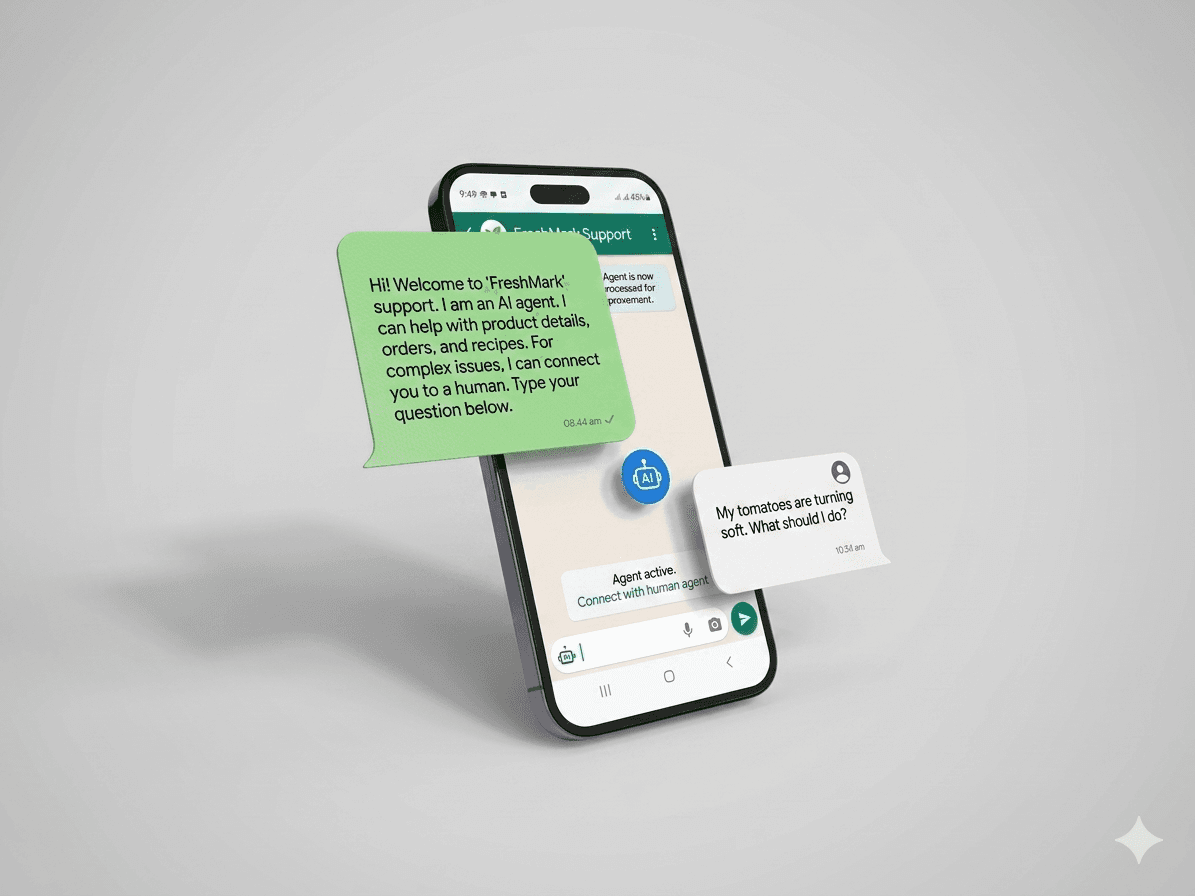
Customer Support AI
AI support automation with ticket routing, sentiment analysis and confidence-gated responses that escalate to a human instead of shipping a wrong answer.
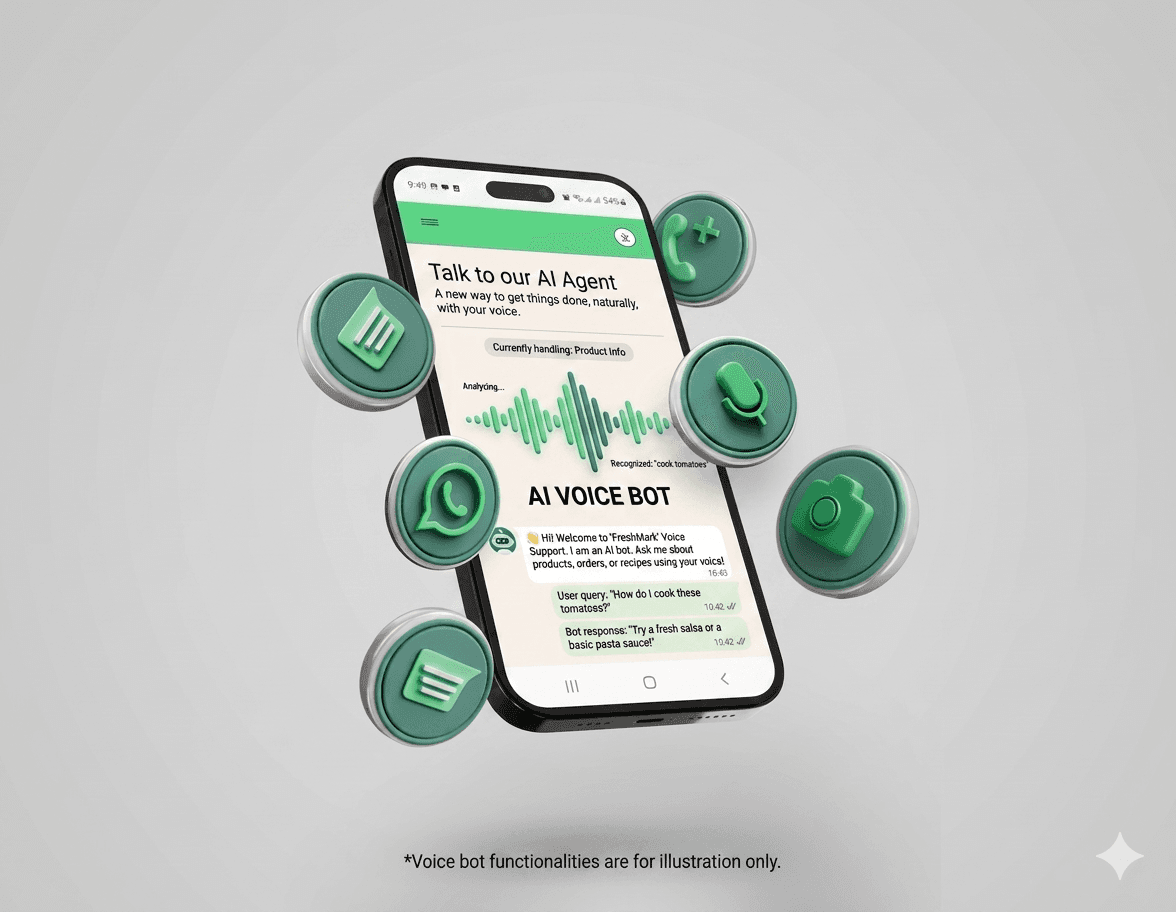
WhatsApp Voice Bot
A WhatsApp bot that transcribes incoming voice notes and replies with context-aware answers from OpenAI GPT models, built in Python on the WhatsApp Business API.
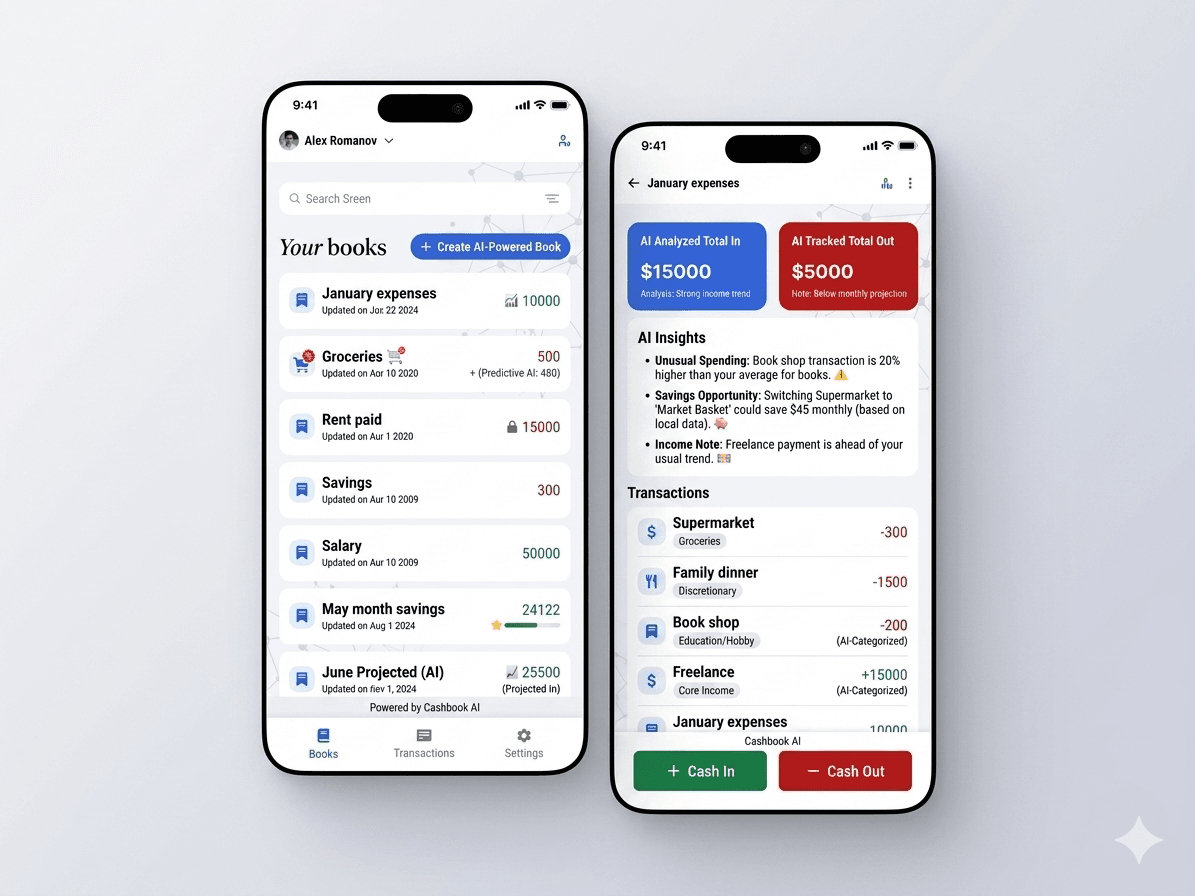
Cashbook AI
AI accounting app that categorises transactions automatically, tracks income and expenses, and generates reports, with every prediction open to user correction.
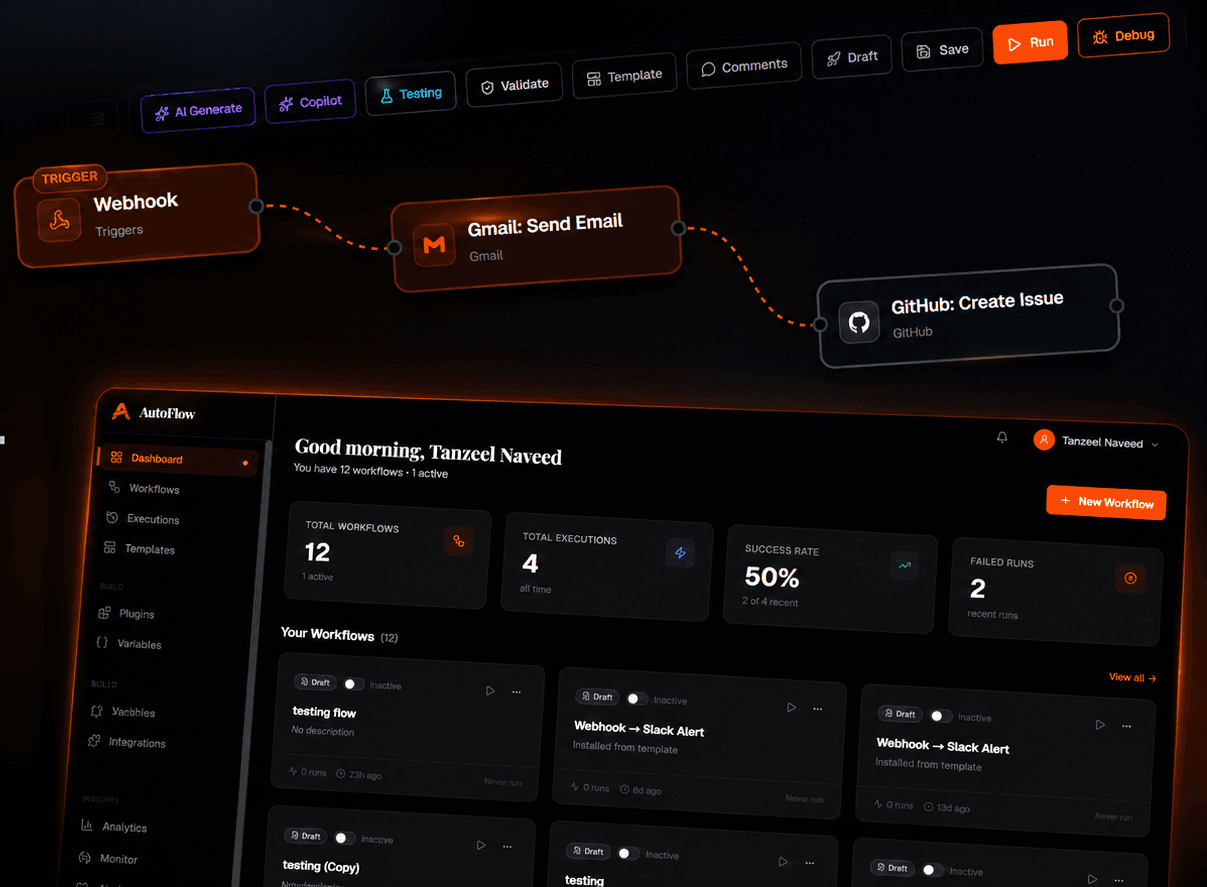
AutoFlow: AI Workflow Automation Platform
No-code workflow automation platform with a visual builder, AI assisted workflow generation, and a live dashboard for tracking executions and success rates.

O C E
AI article summarisation with Python agents behind a defined interface, a two-stage extraction pipeline, and a deliberately thin Chrome extension client.
Questions about ai agent development
- What is an AI agent?
- An AI agent is a language model given a defined set of tools it can call, state that persists outside the conversation, and rules for when to act and when to hand back to a person. The tools and the boundaries are what separate an agent from a chatbot.
- Do you use OpenAI or Claude?
- Both, chosen per project rather than by default. The integration is written so the model is a replaceable component, because the right choice changes as models are released and nobody should be re-architecting to switch.
- How do you stop an agent giving wrong answers to customers?
- By designing the failure path first: a confidence threshold below which the agent escalates to a human with the context attached, a restricted tool surface so it cannot take damaging actions, and full tracing so any wrong answer can be traced to the step that caused it.
- Can an AI agent be added to our existing product?
- Yes, and that is usually the better outcome. Agents work best wired into the surface people already use, such as an existing dashboard, inbox or WhatsApp number, rather than shipped as a separate chat window that nobody opens.